
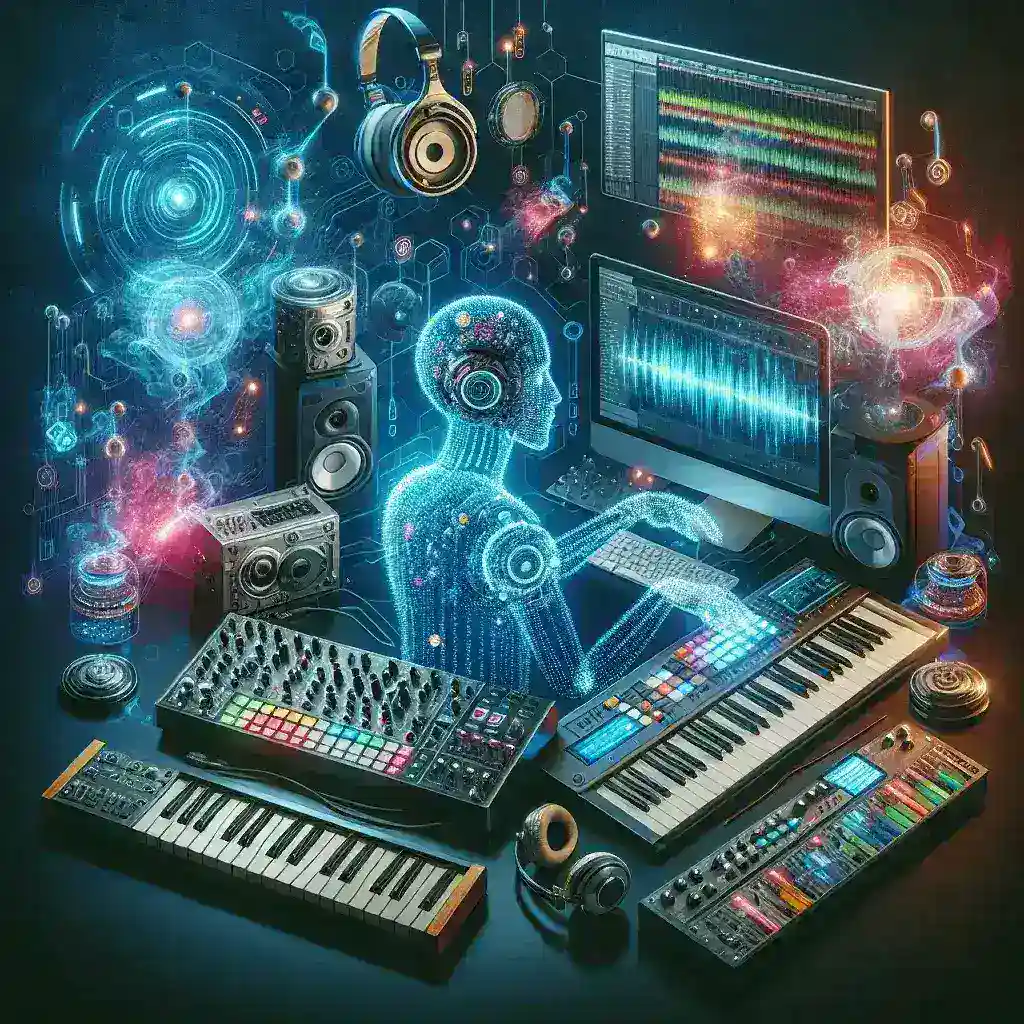
The Dawn of Artificial Intelligence in Music Creation
The music industry stands at the precipice of a technological revolution that promises to fundamentally transform how we create, produce, and experience music. AI-generated music production tools have emerged as powerful catalysts in this transformation, offering unprecedented capabilities that were once confined to the realm of science fiction. These sophisticated systems harness the power of machine learning algorithms, neural networks, and deep learning technologies to assist musicians, producers, and creators in crafting compelling musical compositions.
From bedroom producers to Grammy-winning artists, professionals across the musical spectrum are increasingly embracing these innovative tools to enhance their creative workflows. The integration of artificial intelligence into music production represents not merely a technological advancement, but a paradigm shift that challenges traditional notions of creativity, authorship, and artistic expression.
Understanding the Technology Behind AI Music Production
At its core, AI-generated music production relies on sophisticated algorithms trained on vast datasets of musical compositions spanning multiple genres, styles, and historical periods. These systems employ various machine learning techniques, including recurrent neural networks (RNNs), generative adversarial networks (GANs), and transformer models, to analyze patterns in musical data and generate new compositions that maintain coherence and artistic merit.
The technology operates by identifying complex relationships between musical elements such as melody, harmony, rhythm, and structure. Through extensive training on millions of musical pieces, these AI systems develop an understanding of musical theory, genre conventions, and stylistic nuances that enable them to create original compositions that sound authentically human-made.
Neural Networks and Deep Learning Applications
Modern AI music production tools leverage deep learning architectures that can process multiple layers of musical information simultaneously. These networks can analyze everything from basic note sequences to complex harmonic progressions, enabling the generation of music that exhibits sophisticated compositional techniques and emotional depth.
Leading AI Music Production Platforms and Tools
The market for AI-generated music production tools has experienced explosive growth, with numerous platforms offering diverse capabilities for creators at all skill levels. These tools range from simple melody generators to comprehensive production suites that can handle everything from composition to mastering.
Professional-Grade AI Composition Software
Several industry-leading platforms have established themselves as pioneers in the AI music production space. These tools offer advanced features such as real-time collaboration, multi-track generation, and genre-specific composition capabilities. Many professional studios now integrate these platforms into their standard workflows, utilizing AI assistance for everything from initial ideation to final arrangement.
Accessible Tools for Independent Artists
The democratization of AI music production has been particularly beneficial for independent artists and bedroom producers who may lack access to expensive equipment or formal musical training. User-friendly interfaces and cloud-based platforms have made sophisticated AI composition tools available to anyone with an internet connection and creative ambition.
The Creative Process: Human-AI Collaboration
Contrary to fears about AI replacing human creativity, the reality of AI-generated music production reveals a more nuanced relationship between technology and artistic expression. The most successful implementations of these tools emphasize collaboration rather than replacement, with AI serving as an intelligent creative partner that can suggest ideas, overcome creative blocks, and explore musical territories that might not occur to human composers.
This collaborative approach allows artists to maintain creative control while benefiting from AI’s ability to generate vast amounts of musical content quickly. Musicians can use AI-generated suggestions as starting points, inspiration sources, or building blocks that they then modify, arrange, and personalize according to their artistic vision.
Overcoming Creative Barriers
One of the most significant advantages of AI music production tools is their ability to help creators overcome common obstacles such as writer’s block, repetitive patterns, and creative stagnation. By providing fresh perspectives and unexpected musical combinations, these tools can reignite the creative spark and lead artists in new directions they might never have explored independently.
Industry Applications and Use Cases
The applications for AI-generated music production tools extend far beyond traditional music creation, encompassing diverse industries and creative contexts. Film and television composers utilize these tools to generate background scores and ambient soundscapes efficiently. Video game developers leverage AI music generation to create adaptive soundtracks that respond dynamically to gameplay elements.
Commercial Music Production
In the commercial music sector, AI tools are increasingly used for creating jingles, background music for advertisements, and stock music libraries. The ability to generate royalty-free compositions quickly and cost-effectively has made AI music production an attractive option for businesses seeking original musical content without the expense of hiring human composers.
Educational and Therapeutic Applications
Educational institutions are incorporating AI music tools into their curricula to teach music theory, composition techniques, and production skills. Additionally, therapeutic applications of AI-generated music are being explored in healthcare settings, where personalized musical compositions can be created to support patient treatment and rehabilitation programs.
Benefits and Advantages of AI Music Production
The adoption of AI-generated music production tools offers numerous benefits that have contributed to their rapid proliferation across the industry. Speed and efficiency represent perhaps the most immediately apparent advantages, as these tools can generate complete compositions in minutes that might take human composers hours or days to create.
Cost-effectiveness is another significant benefit, particularly for independent artists and small production companies. AI tools can reduce the need for expensive studio time, session musicians, and lengthy composition processes, making professional-quality music production more accessible to creators with limited budgets.
Enhanced Creative Possibilities
AI music production tools excel at generating ideas that push creative boundaries and explore unconventional musical territories. They can suggest unexpected chord progressions, rhythmic patterns, and melodic variations that human composers might not naturally consider, leading to more innovative and diverse musical outputs.
Challenges and Limitations
Despite their impressive capabilities, AI-generated music production tools face several significant challenges and limitations that continue to shape their development and adoption. Questions of authenticity and emotional depth remain central concerns, as critics argue that AI-generated music may lack the genuine human experience and emotional resonance that characterizes truly great musical compositions.
Technical Limitations
Current AI music production tools still struggle with certain aspects of musical composition, particularly in maintaining long-term structural coherence and creating truly original musical ideas rather than sophisticated recombinations of existing patterns. The technology often excels at generating short musical phrases or loops but may face difficulties when tasked with creating complete, cohesive compositions with clear narrative arcs.
Ethical and Legal Considerations
The rise of AI music production has raised complex questions about copyright, ownership, and creative attribution. When an AI system generates music based on training data that includes copyrighted material, determining the legal status of the resulting compositions becomes challenging. Additionally, concerns about AI potentially replacing human musicians and composers have sparked debates about the future of musical employment and the value of human creativity.
The Future of AI in Music Production
The trajectory of AI-generated music production tools points toward increasingly sophisticated capabilities and broader industry integration. Emerging technologies such as quantum computing and advanced neural architectures promise to unlock new levels of musical complexity and creativity that could further blur the lines between human and artificial composition.
Future developments are likely to focus on improving the emotional intelligence of AI systems, enabling them to create music that responds more effectively to specific moods, contexts, and user preferences. Real-time adaptation and personalization features will allow AI tools to create unique musical experiences tailored to individual listeners or specific environmental conditions.
Integration with Virtual and Augmented Reality
The convergence of AI music production with virtual and augmented reality technologies opens exciting possibilities for immersive musical experiences. Future AI systems may be capable of generating spatial audio compositions that respond dynamically to user movements and interactions within virtual environments.
Impact on the Music Industry Ecosystem
The widespread adoption of AI-generated music production tools is reshaping the entire music industry ecosystem, from creation and distribution to consumption and monetization. Record labels are exploring how AI can streamline their production processes and identify potential hit songs more effectively. Streaming platforms are investigating AI-generated music as a means to create personalized playlists and ambient content.
This technological shift is also influencing music education, with institutions updating their curricula to include AI literacy and human-machine collaboration skills. As these tools become more prevalent, understanding how to work effectively with AI systems is becoming an essential skill for music professionals.
New Business Models and Opportunities
The emergence of AI music production has created entirely new business models and revenue streams within the industry. Companies specializing in AI-generated stock music, personalized composition services, and AI-assisted production workflows are finding growing markets for their offerings.
Preparing for the AI-Driven Musical Future
As AI-generated music production tools continue to evolve and mature, musicians, producers, and industry professionals must adapt to remain relevant in this rapidly changing landscape. This adaptation involves not only learning to use AI tools effectively but also developing skills that complement rather than compete with artificial intelligence capabilities.
The key to success in this AI-driven future lies in embracing technology while maintaining focus on uniquely human qualities such as emotional intelligence, cultural understanding, and personal expression. Musicians who can effectively combine their creative intuition with AI’s computational power will be best positioned to thrive in the evolving musical landscape.
The future of music production promises to be an exciting collaboration between human creativity and artificial intelligence, where the boundaries between technology and artistry continue to blur in fascinating and unexpected ways. As we stand on the brink of this musical revolution, one thing remains certain: the story of AI in music production is just beginning, and its full potential has yet to be realized.