
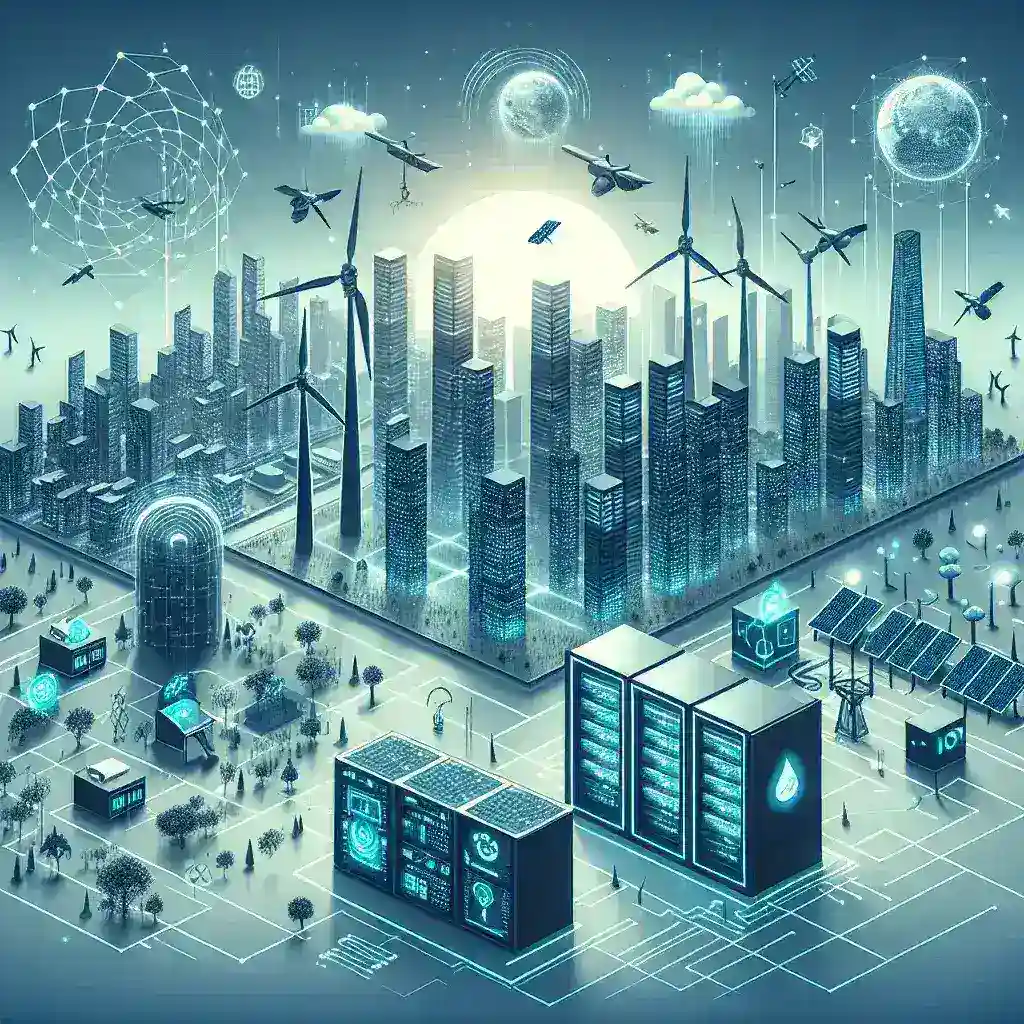
Understanding IoT-Driven Energy Optimization Systems
In an era where energy efficiency has become paramount for both environmental sustainability and cost reduction, IoT-driven energy optimization systems represent a groundbreaking approach to intelligent energy management. These sophisticated systems leverage the power of interconnected devices, sensors, and advanced analytics to create a comprehensive energy ecosystem that continuously monitors, analyzes, and optimizes energy consumption patterns across various applications.
The Internet of Things (IoT) has fundamentally transformed how we approach energy management by enabling real-time data collection and analysis from multiple sources simultaneously. This technological revolution allows organizations to move beyond traditional reactive energy management approaches toward proactive, predictive systems that anticipate energy needs and optimize consumption before inefficiencies occur.
Core Components of IoT Energy Optimization Systems
Smart Sensors and Data Collection
The foundation of any effective IoT energy optimization system lies in its network of intelligent sensors strategically deployed throughout facilities, equipment, and infrastructure. These sensors continuously monitor various parameters including temperature, humidity, occupancy levels, equipment performance, and energy consumption patterns. Modern sensors are equipped with wireless communication capabilities, allowing them to transmit data in real-time to centralized management platforms.
Advanced sensor technologies include smart meters that provide granular energy usage data, environmental sensors that monitor ambient conditions, and equipment-specific sensors that track operational efficiency. This comprehensive data collection creates a detailed picture of energy consumption patterns, enabling system administrators to identify optimization opportunities that would otherwise remain hidden.
Data Analytics and Machine Learning
The true power of IoT energy optimization systems emerges through sophisticated data analytics and machine learning algorithms that process vast amounts of sensor data to identify patterns, predict future energy needs, and recommend optimization strategies. These systems employ predictive analytics to forecast energy demand based on historical data, weather patterns, occupancy schedules, and operational requirements.
Machine learning algorithms continuously improve their accuracy by learning from past performance and adapting to changing conditions. This enables the system to automatically adjust energy consumption in response to real-time conditions, such as reducing HVAC loads during periods of low occupancy or optimizing lighting systems based on natural light availability.
Applications Across Industries
Smart Buildings and Commercial Facilities
Commercial buildings represent one of the most significant applications for IoT energy optimization systems. These systems integrate with building management systems to control HVAC, lighting, security, and other energy-consuming systems based on real-time occupancy data and environmental conditions. Smart building technologies can reduce energy consumption by 20-30% while maintaining optimal comfort levels for occupants.
Advanced applications include automated window shading systems that respond to solar intensity, intelligent lighting that adjusts based on natural light levels and occupancy patterns, and HVAC systems that pre-condition spaces based on predicted occupancy schedules. These integrated systems work together to create an energy-efficient environment that adapts to changing conditions throughout the day.
Industrial Manufacturing
In industrial settings, IoT energy optimization systems monitor and control energy-intensive manufacturing processes, identifying opportunities to reduce consumption without compromising production quality or efficiency. These systems can optimize equipment scheduling to take advantage of off-peak energy rates, implement predictive maintenance to prevent energy-wasting equipment failures, and coordinate multiple production lines to minimize overall energy demand.
Manufacturing facilities benefit from real-time monitoring of equipment efficiency, automated load balancing across production lines, and integration with renewable energy sources to maximize the use of clean energy when available. The result is significant cost savings and reduced environmental impact while maintaining production targets.
Benefits and Advantages
Cost Reduction and ROI
The implementation of IoT-driven energy optimization systems typically delivers substantial cost savings through reduced energy consumption, optimized equipment operation, and improved maintenance scheduling. Organizations commonly report energy cost reductions of 15-40% within the first year of implementation, with continued improvements as the system learns and adapts to operational patterns.
Beyond direct energy savings, these systems provide value through extended equipment lifespan, reduced maintenance costs, and improved operational efficiency. The ability to predict and prevent equipment failures before they occur eliminates costly emergency repairs and unplanned downtime.
Environmental Impact and Sustainability
IoT energy optimization systems play a crucial role in supporting corporate sustainability initiatives and environmental responsibility goals. By reducing overall energy consumption and optimizing the use of renewable energy sources, these systems help organizations significantly reduce their carbon footprint and contribute to global climate change mitigation efforts.
The environmental benefits extend beyond direct energy savings to include reduced strain on electrical grid infrastructure, decreased reliance on fossil fuel-based energy sources, and support for the integration of renewable energy technologies such as solar panels and wind turbines.
Implementation Challenges and Solutions
Technical Integration Complexity
Implementing comprehensive IoT energy optimization systems often involves integrating multiple technologies, protocols, and existing infrastructure components. Organizations may face challenges related to device compatibility, network connectivity, and data integration across different systems and platforms.
Successful implementation requires careful planning, selection of compatible technologies, and often the expertise of specialized system integrators who understand the complexities of IoT deployment in energy management applications. Cloud-based platforms and standardized communication protocols have simplified many integration challenges, making these systems more accessible to organizations of all sizes.
Data Security and Privacy Considerations
As with any connected system, IoT energy optimization platforms must address security concerns related to data protection, network security, and device vulnerability. Organizations must implement robust cybersecurity measures including encrypted communications, secure authentication protocols, and regular security updates to protect against potential threats.
Privacy considerations are particularly important in commercial and residential applications where energy usage data might reveal sensitive information about occupancy patterns, business operations, or personal habits. Implementing appropriate data governance policies and compliance with relevant regulations ensures that privacy concerns are adequately addressed.
Future Trends and Innovations
Artificial Intelligence Integration
The next generation of IoT energy optimization systems will incorporate more advanced artificial intelligence capabilities, including deep learning algorithms that can identify complex patterns and relationships in energy consumption data. These AI-enhanced systems will provide even more accurate predictions and more sophisticated optimization strategies.
Emerging AI technologies such as digital twins – virtual replicas of physical systems – will enable organizations to test and optimize energy strategies in simulated environments before implementing changes in real-world operations. This capability will accelerate the development and deployment of energy optimization strategies while minimizing risks.
Grid Integration and Demand Response
Future IoT energy optimization systems will increasingly integrate with smart grid infrastructure to participate in demand response programs and support grid stability. These systems will be able to automatically adjust energy consumption in response to grid conditions, electricity pricing, and renewable energy availability.
Vehicle-to-grid technology and energy storage integration will further enhance the capabilities of these systems, allowing organizations to store excess renewable energy and contribute to grid stability during peak demand periods. This bidirectional energy flow will create new opportunities for cost savings and revenue generation.
Selecting the Right IoT Energy Optimization Solution
Assessment and Planning
Organizations considering IoT energy optimization systems should begin with a comprehensive energy audit to identify current consumption patterns, inefficiencies, and optimization opportunities. This assessment provides the foundation for selecting appropriate technologies and establishing realistic performance expectations.
Key factors to consider include the scale of implementation, existing infrastructure compatibility, budget constraints, and specific energy management objectives. Working with experienced vendors and consultants can help organizations navigate the selection process and avoid common implementation pitfalls.
Scalability and Future Expansion
Successful IoT energy optimization systems are designed with scalability in mind, allowing organizations to start with pilot implementations and gradually expand coverage as they gain experience and demonstrate value. Modular system architectures and cloud-based platforms facilitate this gradual expansion approach.
Future-proofing considerations include selecting technologies that support emerging standards, ensuring compatibility with anticipated infrastructure upgrades, and choosing vendors with strong track records of product development and support.
Conclusion
IoT-driven energy optimization systems represent a transformative approach to energy management that combines real-time monitoring, advanced analytics, and intelligent automation to achieve unprecedented levels of efficiency and cost savings. As these technologies continue to evolve and mature, they will play an increasingly important role in supporting global sustainability goals and enabling organizations to achieve their environmental and financial objectives.
The successful implementation of these systems requires careful planning, appropriate technology selection, and ongoing commitment to optimization and improvement. Organizations that embrace this technology today will be well-positioned to benefit from continued advances in IoT, artificial intelligence, and energy management technologies while contributing to a more sustainable energy future.
As we move toward an increasingly connected and intelligent energy ecosystem, IoT-driven optimization systems will become essential tools for managing energy resources efficiently, reducing environmental impact, and maintaining competitive advantage in an energy-conscious marketplace. The investment in these technologies today represents not just an operational improvement, but a strategic positioning for the energy challenges and opportunities of tomorrow.