
Introduction
As technology continues to reshape various industries, the transportation sector is not left behind. Amtrak, the iconic American rail service, is at the forefront of innovation as it tests facial recognition systems for ticket validation at its stations. This cutting-edge technology promises to simplify the boarding process, enhance security, and improve the overall passenger experience. In this article, we will delve into the details of this initiative, discussing its implications, benefits, challenges, and what it means for the future of rail travel.
The Rise of Facial Recognition Technology
Facial recognition technology has soared in popularity over the past decade, with applications ranging from security systems to consumer electronics. The technology relies on sophisticated algorithms to analyze and recognize facial features, making it a powerful tool for identity verification. As more industries adopt these technologies, it’s essential to consider their advantages and potential pitfalls.
Historical Context
The use of facial recognition technology dates back to the 1960s, but it has only become mainstream in recent years due to advancements in artificial intelligence and machine learning. Initially employed for high-security environments, such as airports and government facilities, the technology is now making its way into everyday applications, including ticket validation systems.
Amtrak’s Initiative
Amtrak’s pilot program testing facial recognition technology aims to streamline the ticket validation process, allowing passengers to board trains with increased efficiency. The initiative comes in response to growing demand for contactless and expedited travel options.
How It Works
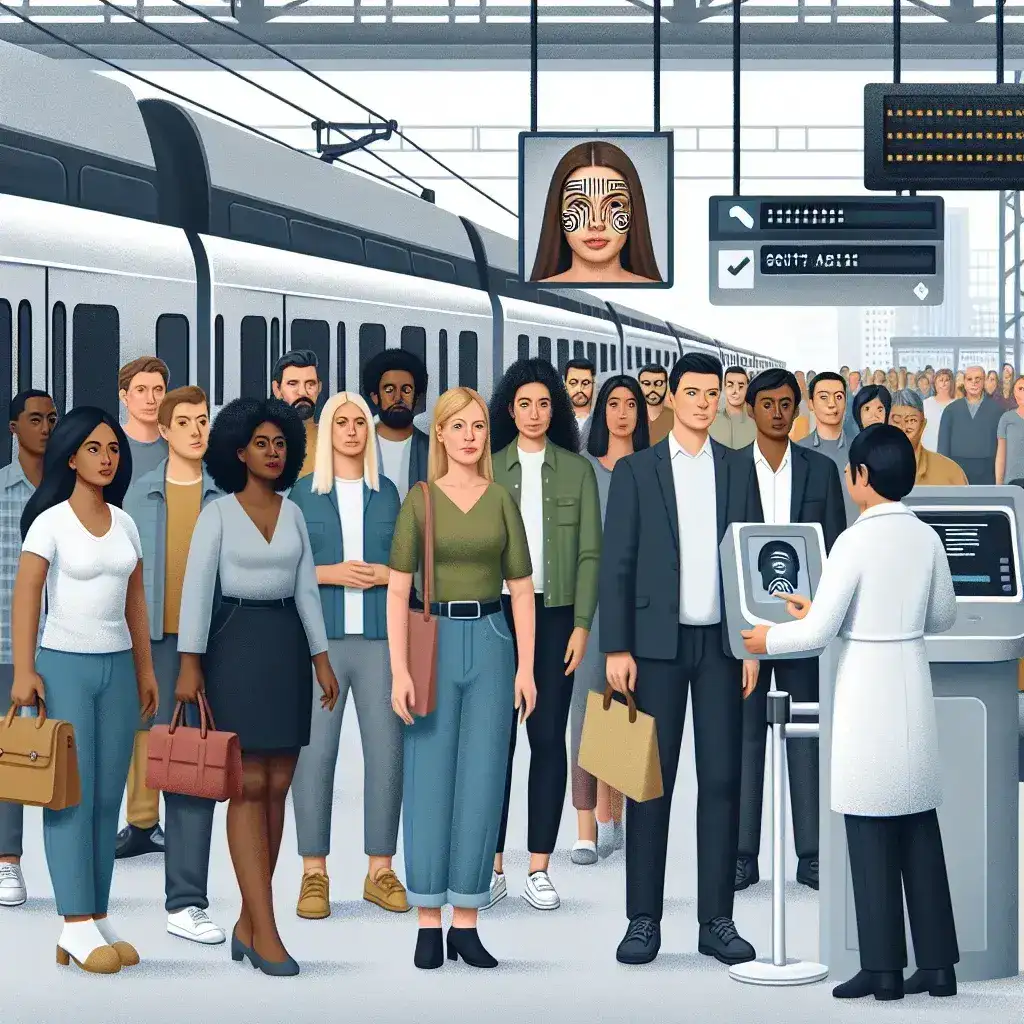
The facial recognition system captures an image of the passenger’s face as they approach the ticket validation area. This image is then cross-referenced with the passenger’s ticket information, enabling seamless entry without the need to present physical tickets or identification. In essence, this system transforms the boarding experience into a quick and hassle-free process.
Benefits of Facial Recognition for Ticket Validation
- Enhanced Security: Facial recognition technology can significantly improve security at stations by identifying known threats or individuals who may pose a risk.
- Expedited Boarding: Passengers can board trains more quickly without having to fumble for their tickets, allowing for smoother and more timely departures.
- Contactless Experience: In the wake of the COVID-19 pandemic, contactless solutions have become paramount. This technology minimizes physical interactions between staff and passengers.
- Data Collection: The integration of facial recognition systems allows Amtrak to gather valuable data on travel patterns and passenger demographics, which can inform future service improvements.
Challenges and Concerns
While the benefits of facial recognition technology are compelling, several challenges and concerns need to be addressed:
- Privacy Issues: The collection and storage of biometric data raise significant privacy concerns. Passengers may feel uneasy about having their facial data recorded without their consent.
- Accuracy and Reliability: The technology is not infallible. False positives and negatives can occur, leading to potential disruptions in service.
- Implementation Costs: The initial investment for installing and maintaining facial recognition systems can be substantial, raising questions about cost-effectiveness.
The Future of Rail Travel
As Amtrak continues to test this technology, it opens the door to a broader conversation about the future of rail travel. With advancements in technology, we can expect a transformation in how passengers interact with transport systems.
Potential Future Developments
Looking ahead, we can anticipate several trends that may emerge in the rail industry:
- Increased Automation: As rail services become more automated, facial recognition could be integrated with other smart technologies, such as mobile ticketing and dynamic scheduling systems.
- Global Adoption: If successful, Amtrak’s initiative could inspire other rail systems worldwide to adopt similar technologies, creating a more standardized travel experience.
- Regulatory Frameworks: As facial recognition becomes commonplace, regulatory bodies will likely establish guidelines to protect passenger privacy while ensuring security.
Real-Life Examples
Facial recognition technology is already being used in various transportation systems globally. For example, the London Underground and several airports around the world have implemented facial recognition for ticket validation and security checks.
Expert Opinions
Industry experts have weighed in on this trend, emphasizing the need for a balanced approach that prioritizes security without compromising privacy rights. “As we move towards a future where technology drives transportation, it is crucial to address the ethical implications of using facial recognition,” says Dr. Jane Smith, a leading researcher in transportation technology.
Conclusion
Amtrak’s testing of facial recognition technology for ticket validation marks a significant step towards modernization in rail travel. While the benefits are clear—enhanced security, expedited boarding, and a contactless experience—it’s imperative that the challenges, particularly around privacy and accuracy, are effectively managed. As the technology evolves, so too will the conversations surrounding its use in public transport. Ultimately, the success of this initiative could redefine passenger experiences and set new standards for the future of rail travel.
Call to Action
As Amtrak continues its pilot program, passengers are encouraged to share their thoughts and experiences regarding facial recognition technology. Public feedback will play a crucial role in shaping future implementations and ensuring that the system meets the needs of all travelers.