
Introduction
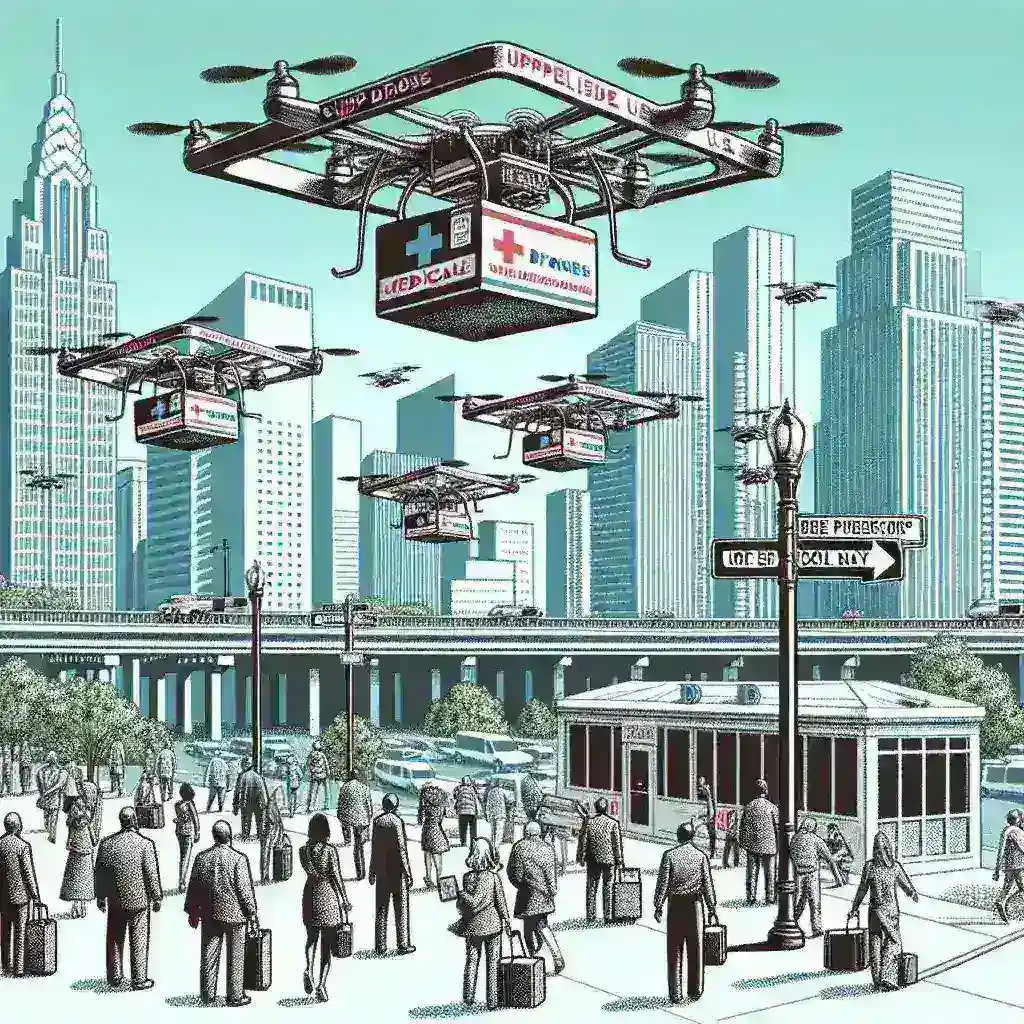
The integration of drone technology into various sectors has been a hot topic of discussion over the last few years. In light of recent advancements, several US cities are now stepping up to test curbside drone landing pads specifically designed for emergency medical payloads. This initiative aims to enhance healthcare delivery, especially in critical scenarios where time is of the essence.
The Need for Curbside Drone Landing Pads
In emergencies, every second counts. Traditional methods of transporting medical supplies, such as ambulances or ground vehicles, can often be hindered by traffic, road conditions, and other local obstacles. Curbside drone landing pads offer a solution that can bypass many of these challenges, providing a direct aerial route for transporting medical necessities like blood, vaccines, and even defibrillators.
Historical Context
The idea of using drones for medical delivery is not entirely new. In fact, countries like Rwanda have been utilizing drones to deliver blood and medical supplies to remote areas since 2016. The success of such programs has prompted cities in the United States to explore similar technologies to improve emergency response times.
Current Initiatives in US Cities
Several municipalities across the United States have begun testing curbside drone landing pads. For instance:
- San Francisco: The city has launched a pilot program which involves collaboration with local hospitals to utilize drones for delivering emergency medical supplies.
- New York City: NYC has been experimenting with drone deliveries in various neighborhoods, focusing on reducing delivery times for medical emergencies.
- Los Angeles: LA’s initiative centers around integrating drone technology with its extensive healthcare network, aiming to improve service delivery during medical emergencies.
How Curbside Drone Landing Pads Work
Curbside drone landing pads are strategically located in accessible urban areas. They are equipped with necessary technology to communicate with drones, ensuring safe landing and takeoff. Here’s how the system generally functions:
Step-by-Step Process
- Request Initiation: A healthcare provider identifies the need for urgent medical supplies.
- Drone Deployment: A drone is dispatched from a nearby facility equipped to handle medical payloads.
- Landing Pad Communication: The drone communicates with the curbside landing pad system to ensure a smooth landing.
- Payload Transfer: Medical supplies are transferred to the drone, which then takes off for the destination.
- Delivery: The drone navigates to the specified location, delivering the vital supplies directly to first responders or medical facilities.
Benefits of Curbside Drone Landing Pads
The implementation of curbside drone landing pads for medical emergencies offers several notable advantages:
- Reduced Response Times: Drones can significantly shorten the time it takes to deliver medical supplies, which can be critical during emergencies.
- Increased Accessibility: Drones can reach areas that are otherwise difficult to access, ensuring that medical supplies are available where they are needed most.
- Efficiency in Resource Utilization: With drones, healthcare providers can optimize their resources and reduce dependency on ground transportation.
Challenges and Considerations
While the benefits are substantial, there are several challenges to consider:
- Regulatory Hurdles: The integration of drones into urban airspace presents regulatory challenges that must be addressed to ensure safety and compliance.
- Public Acceptance: Gaining the trust of the public and stakeholders is crucial for the successful deployment of drone technology.
- Technical Limitations: Drones have limitations in terms of payload capacity and battery life, which must be considered during deployment.
Future Predictions
As technology continues to advance, it’s likely that curbside drone landing pads will become a common feature in urban landscapes. Future predictions include:
- Integration with smart city initiatives, allowing for real-time tracking and management of medical deliveries.
- Development of larger drones capable of carrying more substantial payloads, such as organ transplants.
- Expansion of drone landing pad networks across multiple cities, facilitating better healthcare access nationwide.
Expert Opinions
Experts in the field of drone technology and emergency medical services emphasize the importance of this initiative. Dr. Emily Carter, a healthcare technology consultant, states, “Utilizing drones for emergency medical deliveries could revolutionize the way we respond to critical situations. The speed and efficiency of drones could save countless lives.”
Conclusion
The testing of curbside drone landing pads in various US cities marks a significant step forward in the intersection of technology and healthcare. As urban areas continue to grapple with challenges in emergency response, the potential of drones to deliver medical supplies offers a promising solution. With continued advancements and public support, this initiative could redefine emergency medical services, ensuring that help arrives faster than ever before.